The Ultimate Guide to Roof Ventilation and Insulation for Energy Efficiency
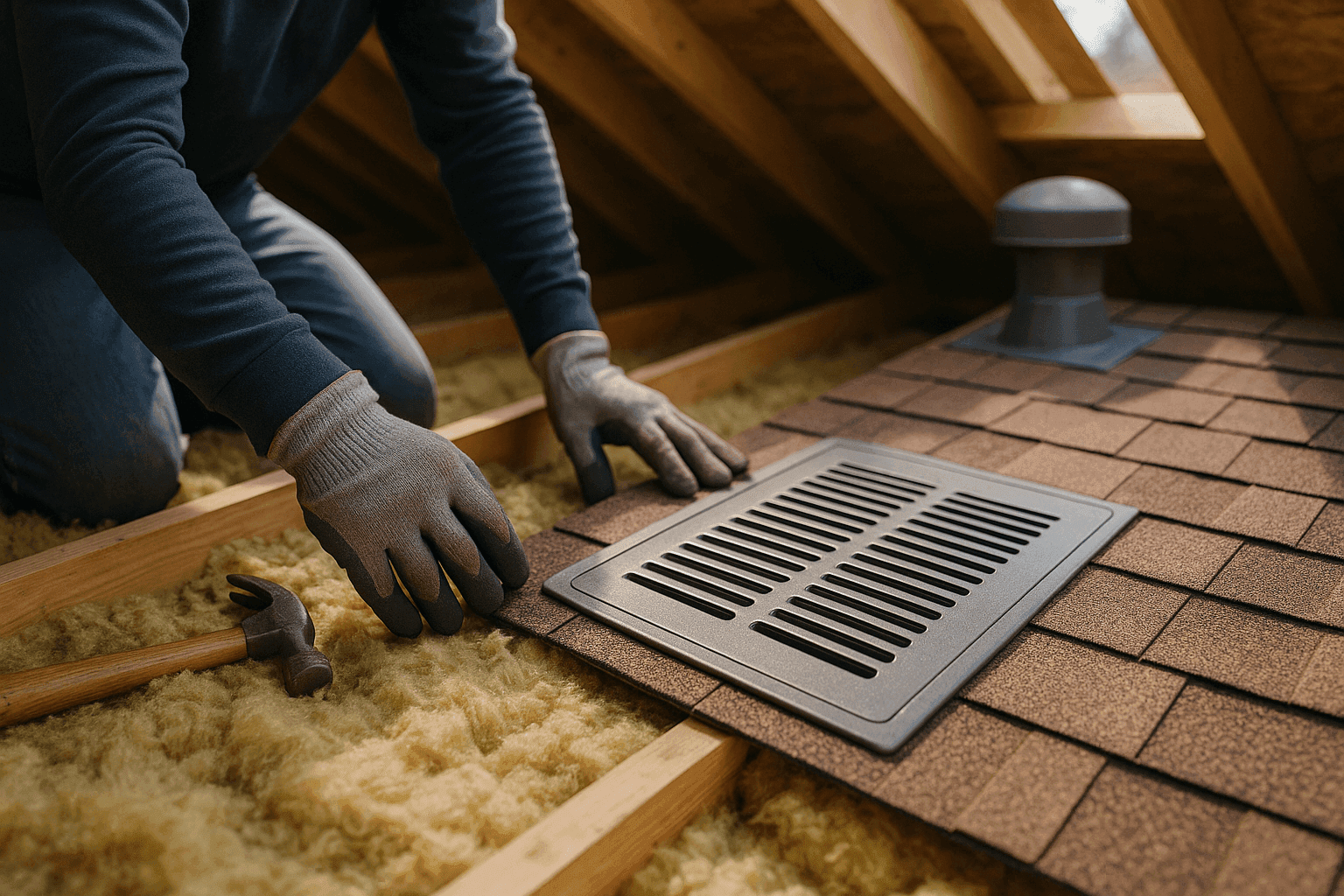
Is your attic an oven in summer and a freezer in winter? You’re not alone. Many homeowners and small business owners struggle with high energy bills, stuffy rooms, and mysterious leaks. The culprit often hides above your head—your roof’s ventilation and insulation.
At Seal Tech Roofing, we know a healthy roof is more than shingles and nails. It’s a system. When one part fails, the whole house feels it. This guide will help you understand how roof ventilation and insulation work together to keep your building comfortable, energy-smart, and protected year-round.
Why Roof Ventilation and Insulation Matter
Think of your roof as a hat for your building. The right hat keeps you warm in winter and cool in summer. The wrong one? It leaves you sweating or shivering—and paying for it.
Ventilation lets your roof “breathe,” circulating fresh air in and pushing stale, moist air out. Insulation acts like a cozy blanket, keeping conditioned air inside and outdoor extremes outside. When both work together, you get:
- Lower heating and cooling costs
- Fewer moisture problems (like mold or rot)
- Longer roof lifespan
- Better indoor comfort
Neglect them, and you risk high bills, structural headaches, and even emergency roofing issues that can leave you scrambling.
Common Problems Caused by Poor Ventilation or Insulation
When your roof can’t breathe or your attic isn’t insulated, trouble brews. Here’s what you might notice:
- Ice dams in winter, leading to leaks and water stains
- Overheated attics in summer, baking your shingles and boosting AC costs
- Mold and mildew from trapped moisture
- Peeling paint and warped wood in the attic or upper floors
- Unpleasant odors and stuffy air
These aren’t just annoyances. Left unchecked, they can cause structural damage and even health concerns for your family or employees.
Quick Safety Checklist 🛠️
Before poking around your attic or roof, keep safety first:
- Wear sturdy shoes and gloves
- Use a stable ladder—never stand on the top rung
- Bring a flashlight (attics get dark fast)
- Watch for exposed nails or loose boards
- Check for signs of pests before entering
- If you see mold, avoid breathing it in—call a pro
And remember: If your roof is steep, slippery, or damaged, stay off. Your safety comes first.
Roof Insulation: Types, Pros, and Cons
Insulation comes in many flavors. Each has strengths and trade-offs.
Batt or Blanket Insulation
- What it is: Rolls or batts of fiberglass or mineral wool
- Pros: Affordable, easy to install in open spaces
- Cons: Needs careful fitting; gaps reduce effectiveness
Blown-In (Loose-Fill) Insulation
- What it is: Loose fibers (cellulose, fiberglass) blown into place
- Pros: Fills odd-shaped spaces and gaps well
- Cons: Can settle over time, may need top-up
Spray Foam Insulation
- What it is: Expanding foam sprayed into cavities
- Pros: Seals air leaks, high R-value per inch
- Cons: More expensive; professional installation recommended
Rigid Foam Board
- What it is: Solid panels (polystyrene, polyisocyanurate)
- Pros: Great for new construction or major renovations
- Cons: Harder to retrofit; seams must be sealed
Pro tip: The U.S. Department of Energy recommends attic insulation with an R-value between R-30 and R-60, depending on your climate. More isn’t always better—proper installation is key.
Roof Ventilation: Systems and Styles
A well-ventilated roof keeps air moving, just like a house with open windows on a breezy day.
Ridge Vents
- Run along the roof peak, letting hot air escape
- Often paired with soffit vents for balance
Soffit Vents
- Located under the eaves, drawing in cool air
- Essential for intake—without them, air can’t flow
Gable Vents
- Placed on attic end walls, allowing cross-breezes
- Work best on simple roof shapes
Roof Louvers and Box Vents
- Static vents cut into the roof deck
- Simple but may not move as much air as ridge/soffit combos
Powered Attic Fans
- Use electricity to boost airflow
- Can help in extreme heat, but may pull conditioned air from living spaces if not sealed properly
Best practice: The International Residential Code (IRC) calls for at least 1 square foot of ventilation (inlet + outlet) for every 150 square feet of attic floor space, unless a vapor barrier is present.
Seasonal Considerations: How the Weather Changes the Game
Your roof faces different battles as the seasons change.
Winter: Fighting Ice Dams
Warm air leaking into the attic melts snow on the roof. Water runs down, refreezes at the eaves, and forms ice dams. Good insulation keeps heat inside your home, while proper ventilation sweeps away any that sneaks into the attic.
Summer: Beating the Heat
Attics can reach 150°F or more on sunny days. Without ventilation, this heat radiates down, making your AC work overtime. Ventilation flushes out hot air, while insulation blocks it from entering your living space.
Year-Round: Battling Moisture
Everyday activities—cooking, showering, even breathing—release moisture. Without a way out, it condenses in the attic, feeding mold and wood rot. Balanced ventilation and insulation keep attics dry and healthy.
Diagnosing Problems: What to Look (and Smell) For
Not sure if your roof needs help? Watch for these clues:
- Uneven temperatures: Hot or cold spots upstairs
- Frost or condensation: On attic rafters or insulation
- Water stains: On ceilings or walls after storms
- Musty odors: Especially after rain
- Visible mold: On wood, insulation, or drywall
If you spot these, it’s time to investigate further—or call for an inspection.
DIY or Call a Pro?
Some tasks are safe for handy homeowners. Others demand professional tools and know-how.
DIY-Friendly Tasks
- Checking attic insulation depth
- Spotting obvious gaps or compressed insulation
- Inspecting for blocked or missing vents
- Cleaning soffit or gable vents (with proper safety gear)
Leave It to the Pros
- Installing or upgrading insulation (especially spray foam)
- Cutting new vents or modifying roof structure
- Dealing with mold, rot, or pest infestations
- Emergency roofing repairs after storms
When in doubt, call for a professional inspection. Safety and building codes matter.
What Happens When the Pros Arrive
Curious what to expect during a professional roof assessment? Here’s how Seal Tech Roofing approaches it:
- Full attic and roof inspection: Checking insulation depth, type, and condition; locating all vents
- Moisture check: Using meters to find hidden damp spots
- Airflow analysis: Making sure intake and exhaust are balanced
- Thermal imaging (when needed): Spotting hot/cold leaks invisible to the eye
- Clear recommendations: Outlining fixes, upgrades, or maintenance needs
We’ll explain your options in plain language, so you can make informed decisions.
Preventative Maintenance: Keep Problems From Sneaking Up
A little care goes a long way. Here’s how to keep your roof system humming:
- Inspect attic insulation every year for settling or moisture
- Clean vents regularly—dust, leaves, and nests block airflow
- Trim trees near the roof to prevent debris buildup
- Schedule professional inspections every few years, or after major storms
- Check for leaks after heavy rain or snow
Prevention is always cheaper and easier than emergency roofing repairs.
Costs and Time Factors
Every roof is unique, so costs and timelines vary. Here’s what to expect:
- Insulation upgrades: Typically take 1–2 days for most homes or small businesses
- Ventilation improvements: Adding vents or fans can take a few hours to a full day
- Material costs: Fiberglass and cellulose are budget-friendly; spray foam and rigid boards cost more but offer higher performance
- Labor: Complex roofs or tight attics may increase time and cost
Remember, investing in insulation and ventilation pays off with lower utility bills and fewer emergency roofing calls down the road.
When It’s an Emergency
Sometimes, you can’t wait. Call for emergency roofing help if you notice:
- Sudden leaks after a storm
- Sagging ceilings or visible water pooling
- Major mold growth
- Structural damage (cracks, bowing, or movement in framing)
Quick action can prevent further damage—and bigger repair bills.
FAQ: Your Roof Ventilation and Insulation Questions
How do I know if my attic is properly ventilated?
Look for evenly spaced vents (soffit, ridge, or gable) and check for signs of moisture or heat buildup. If unsure, a professional inspection can confirm airflow.
Will more insulation always make my home more energy-efficient?
Not always. Too much insulation without proper ventilation can trap moisture. The key is balance—enough insulation for your climate, with clear airflow paths.
Can I add new insulation over old?
Usually, yes—if the old insulation is dry and mold-free. Wet or moldy material should be removed first.
How often should I check my attic?
At least once a year, and after major storms. Look for changes in insulation, moisture, or signs of pests.
Special Considerations for Homes and Small Businesses 🏠
Every building is different. Here are a few tips for homeowners and business owners:
- Flat roofs: Need special attention to prevent ponding and moisture buildup
- Metal or tile roofs: May require specific ventilation systems
- Older buildings: Often under-insulated—upgrades can deliver big savings
- Skylights & chimneys: Flashing and insulation around these features are common weak spots
If your building has unique features, a custom assessment is the smartest move.
Ready to improve comfort, cut energy bills, and protect your investment? Call Seal Tech Roofing now — or reach us anytime at 877-709-3007 .