How to Safely Inspect Your Roof After a Storm: A Homeowner’s Guide
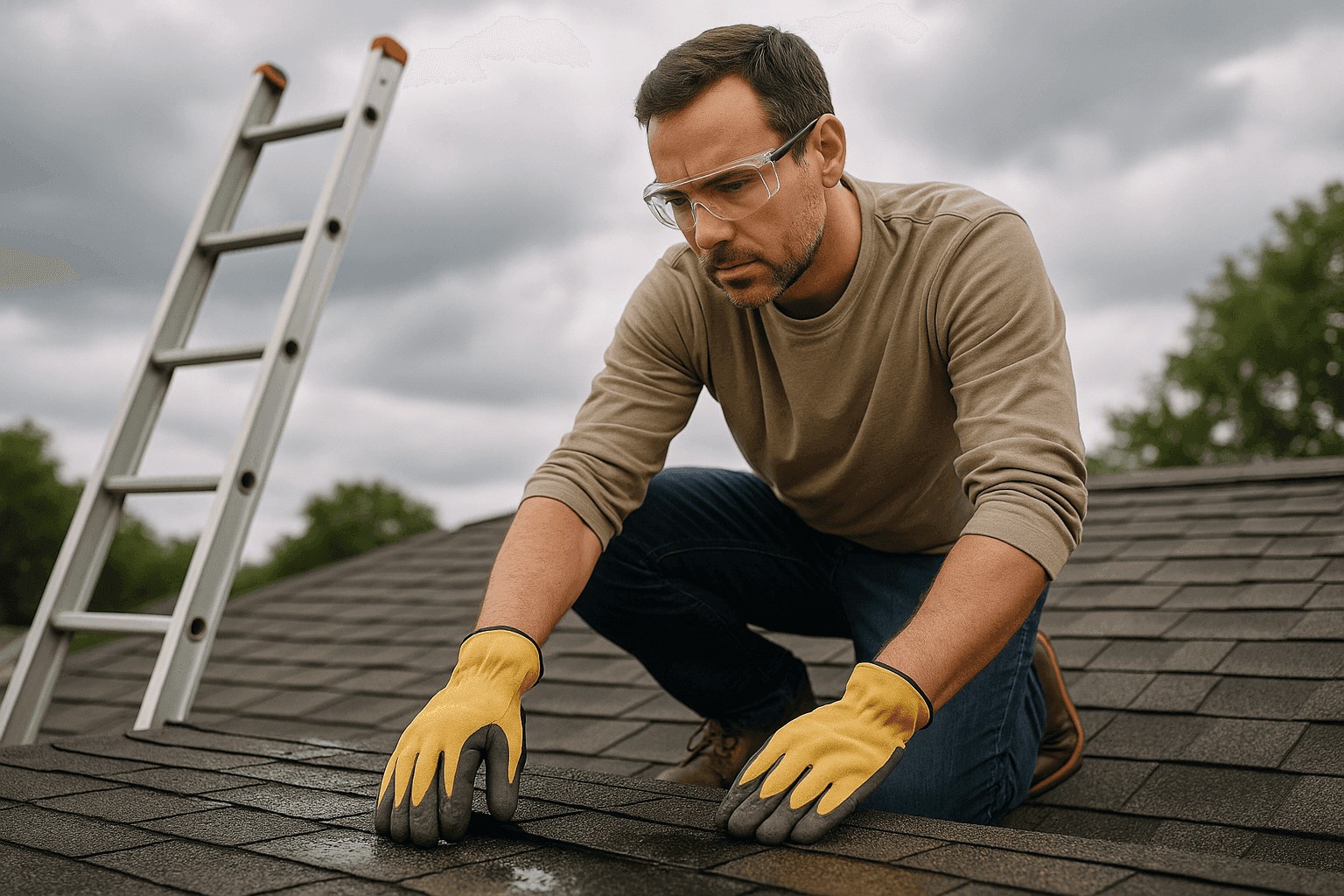
A powerful storm can leave your heart racing and your roof battered. The first instinct is to check for damage—but safety comes first. Whether you’re a homeowner or running a small business, knowing how to inspect your roof safely can help you avoid costly surprises and dangerous missteps.
At Seal Tech Roofing, we’ve seen the aftermath of every kind of storm. We know the risks, the hidden trouble spots, and the peace of mind that comes from a careful inspection. Here’s how to approach your roof after severe weather—and when to call in emergency roofing help.
Why Post-Storm Roof Inspections Matter 🌧️
Storms are like uninvited guests—they leave a mess, sometimes where you can’t see it. Your roof takes the brunt, shielding everything underneath. But even minor damage can turn into big headaches if left unchecked.
- Hidden leaks can sneak into your attic, soaking insulation and sparking mold.
- Loose or missing shingles open the door to water intrusion and structural rot.
- Damaged flashing or gutters can quietly channel rain where it shouldn’t go.
Early detection is your shield. Spotting problems now means less risk of expensive repairs later. According to the National Roofing Contractors Association, after any major weather event, a prompt inspection is key to roof longevity and safety.
Safety Precautions Before Inspecting Your Roof
Before you grab that ladder, pause. Your safety is more important than any shingle.
- Wait for the weather to clear. Wet roofs are as slippery as ice rinks.
- Wear sturdy, non-slip shoes. Think hiking boots, not sneakers.
- Use a quality ladder—one that’s tall enough so you’re not stretching.
- Have someone nearby. Never inspect alone.
- Avoid climbing if you see downed wires, heavy debris, or feel unsure.
- Don’t walk on steep, wet, or visibly damaged roofs. Some damage isn’t obvious until it’s too late.
If you’re ever in doubt, stay on the ground. Many inspections can be done from below.
Visual Inspection Checklist
You don’t need to be a roofer to spot red flags. Here’s what to look for from the ground or a safe vantage point:
- Shingles: Are any missing, cracked, curled, or dented?
- Flashing: Look for bent, loose, or rusted metal around chimneys, skylights, and vents.
- Gutters and Downspouts: Check for sagging, blockages, or pieces of shingle granules.
- Soffits and Fascia: Watch for water stains, peeling paint, or rot.
- Attic and Ceilings: Inside, look for damp insulation, water stains, or musty smells.
Take your time. Walk around the property and use your senses—sight, smell, and even sound (dripping or creaking can signal trouble).
Using Binoculars and Photos for Hard-to-Reach Areas
Not every part of your roof is easy to see. That’s where binoculars come in handy. Scan for:
- Dark patches or shiny spots—these may be exposed underlayment or wet areas.
- Debris piles—branches or leaves can hide damage or block drainage.
- Unusual sagging—a dip in the roofline might mean structural trouble.
Snap photos with your phone. They help you track changes over time and provide a record for insurance or emergency roofing teams.
When to Call a Professional
Some problems are like icebergs—what you see is just the tip. Call in professional help if you spot:
- Multiple missing or broken shingles
- Visible holes or punctures
- Large branches or heavy debris on the roof
- Water actively leaking inside your home or business
- Sagging or buckling in the roofline
- Damaged or detached gutters and downspouts
If you’re ever unsure, don’t take risks. Emergency roofing teams have the gear, training, and experience to safely assess and repair storm damage.
What Professionals Do on Arrival
When a professional team arrives, they bring more than just ladders. Here’s what you can expect:
- Thorough inspection: Inside and out, including attic, decking, and exterior.
- Moisture detection: Using specialized tools to find hidden leaks.
- Documentation: Photos, notes, and recommendations for repairs or replacement.
- Temporary fixes: Emergency tarping or sealing to prevent further damage.
- Detailed estimate: Clear explanation of what needs to be fixed and why.
Roofing professionals follow guidelines from organizations like OSHA and the National Roofing Contractors Association to keep everyone safe.
Prevention & Maintenance
A storm may be unpredictable, but preparation isn’t. Here’s how to keep your roof ready for whatever comes next:
- Schedule regular inspections—twice a year is a good rule of thumb.
- Keep gutters and downspouts clear to prevent water backup.
- Trim overhanging branches that could fall or scrape the roof.
- Check attic ventilation and insulation to prevent moisture buildup.
- Use quality sealants and coatings for extra protection.
Routine care is like giving your roof an umbrella before the rain hits.
Costs & Time Factors
Roof inspections and repairs can vary. Factors include the size of your roof, type of materials, and extent of damage. A basic inspection may take an hour, while repairs can range from quick fixes to multi-day projects. Emergency roofing services are typically faster but may cost more due to urgency and after-hours work.
Remember, delaying repairs often leads to higher costs down the line. It’s like ignoring a slow leak—eventually, the drip becomes a flood.
When It’s an Emergency
Some situations can’t wait:
- Active leaks during or after rain
- Major structural damage (like a collapsed section)
- Electrical hazards from water exposure
- Compromised insulation or ceilings
If you see any of these, leave the area and call for emergency roofing help immediately. Safety first—always.
Frequently Asked Questions
How soon should I inspect my roof after a storm?
As soon as it’s safe and dry outside. Don’t rush if there’s still lightning, wind, or debris falling.
Can I walk on my roof to check for damage?
It’s best to avoid walking on the roof, especially after a storm. Many hazards are invisible from above. Use binoculars or call a professional.
What if I find a small leak?
Contain the water with buckets or towels and call for repairs. Small leaks can grow quickly.
Do insurance companies require professional inspections?
Many do, especially for significant claims. Check your policy for details.
Special Considerations for This Service
Not all roofs are created equal. Flat roofs, metal panels, tile, and shingles each have their own trouble spots. Skylights, chimneys, and vents are common leak points. If your property uses eco-friendly materials or specialty coatings, mention this when scheduling an inspection.
For commercial properties, downtime and safety regulations can add complexity. Always prioritize safety and clear communication.
Call Seal Tech Roofing now — or reach us anytime at 877-709-3007 .