How to Prepare Your Roof for Severe Weather: A Homeowner’s Guide
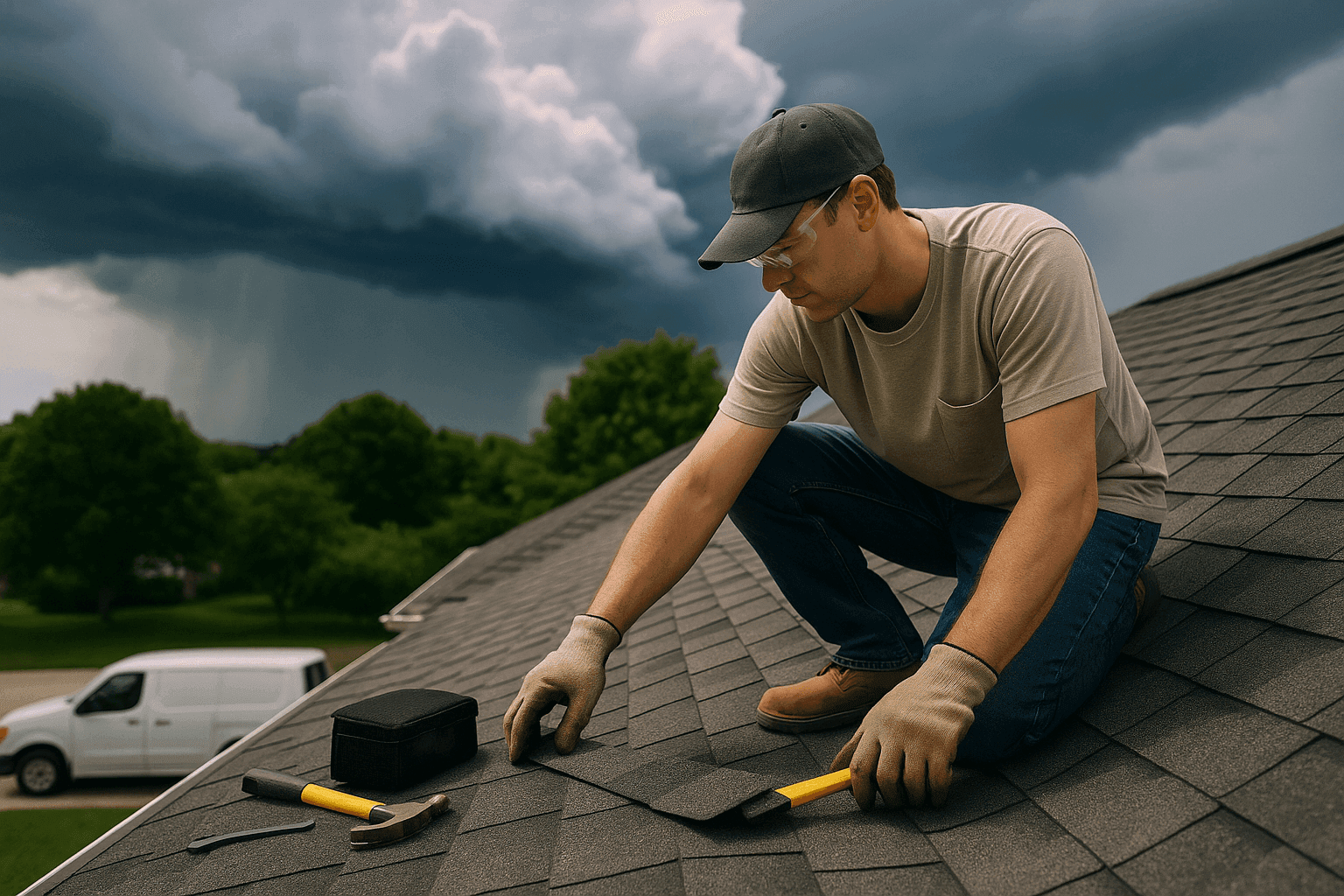
When the sky darkens and the wind howls, your roof is the shield standing between your family and the elements. But even the toughest roof needs a little help to weather the storm.
At Seal Tech Roofing, we’ve seen firsthand how a few hours of preparation can save homeowners and small business owners thousands in emergency roofing repairs. This guide will walk you through the steps to get your roof storm-ready—no jargon, just clear steps you can follow.
Why Prepare Your Roof for Severe Weather?
Think of your roof as a helmet for your house. If it’s cracked, missing pieces, or clogged up, it can’t do its job. Severe weather—whether it’s pounding rain, high winds, or heavy snow—finds the weak spots. That’s when leaks start, shingles fly, and suddenly you’re dealing with water pouring into your living room.
A little preparation goes a long way. Not only does it protect your investment, but it also helps prevent those frantic, late-night emergency roofing calls when the next storm hits.
Seasonal Roof Inspection Checklist 📝
A thorough inspection is your first line of defense. Here’s what to look for, season by season:
Spring & Fall: The Essentials
- Shingles: Look for cracks, curling, or missing shingles. Even one damaged shingle can let water in.
- Flashing: Check around chimneys, skylights, and vents. Flashing should be snug, not rusted or loose.
- Gutters & Downspouts: Make sure they’re clear of leaves and debris. Water should flow freely away from your foundation.
- Sealants & Caulking: Inspect for gaps or peeling. Pay special attention to roof penetrations and seams.
- Attic & Ceiling: Look for stains, damp spots, or visible mold. These can signal hidden leaks.
Summer & Winter: Special Considerations
- Summer: Check for heat damage—shingles can blister or warp in extreme heat. Make sure attic vents are clear.
- Winter: After storms, look for ice dams or heavy snow buildup. These can strain your roof’s structure.
Tip: Binoculars are your friend for ground-level checks. If you’re not comfortable climbing a ladder, play it safe and call a professional.
Essential Maintenance Tasks for a Storm-Ready Roof
Routine maintenance is like brushing your teeth—skip it, and problems build up fast.
Clean Gutters and Downspouts
- Remove leaves, twigs, and grit from shingles.
- Flush gutters with a hose to check for blockages.
- Ensure downspouts direct water at least 3 feet away from your foundation.
Check Sealants and Coatings
- Inspect roof sealants for cracks or peeling.
- Reseal as needed, especially around vents and skylights.
- Consider eco-friendly coatings for added protection and energy savings.
Inspect Flashing and Roof Edges
- Tighten or replace loose flashing.
- Look for rust, holes, or separation from the roof surface.
Preventative Maintenance Tips
- Trim overhanging tree branches to prevent damage from falling limbs.
- Schedule annual professional roof inspections—especially after major storms.
Reference: The National Roofing Contractors Association (NRCA) recommends biannual inspections and prompt maintenance to extend roof life.
Roof Ventilation and Insulation Checks
Good ventilation is the unsung hero of roof health. Without it, heat and moisture build up like steam in a kettle—eventually causing rot, mold, and higher energy bills.
How to Check Ventilation
- Inspect attic vents for blockages (dust, insulation, or nests).
- Make sure soffit and ridge vents are open and unobstructed.
- In hot weather, touch the ceiling of your attic—if it’s hot, airflow may be lacking.
Insulation Matters
- Look for gaps, damp spots, or compressed insulation.
- Replace or add insulation to maintain energy efficiency and prevent condensation.
Industry Note: According to the International Residential Code (IRC), proper attic ventilation is key to moisture control and roof longevity.
Emergency Supplies and Safety Tips
Sometimes, even the best preparation can’t prevent damage. Be ready with a few essentials:
- Tarp: Heavy-duty, waterproof tarps can provide temporary cover for damaged areas.
- Flashlight & Batteries: Power outages are common during storms.
- Buckets & Towels: For catching and containing leaks inside.
- Ladder: Only if you’re experienced and conditions are safe.
- Emergency Roofing Contact: Keep Seal Tech Roofing’s number handy for fast help.
Safety First: Never climb on a wet or icy roof. If you suspect structural damage, stay clear and call for professional help.
When to Call a Professional Roofer
Some problems need a trained eye. Here’s when it’s time to pick up the phone:
- Active Leaks: Water dripping or pooling inside—don’t wait. Even small leaks can cause major structural damage.
- Missing or Torn Shingles: Especially after a storm. Exposed areas are magnets for water.
- Sagging Roof Deck: This can signal rot or compromised support beams.
- Damaged Flashing or Chimney Caps: Gaps or rust around these areas often lead to leaks.
- Unexplained Spikes in Energy Bills: Poor insulation or hidden leaks might be the culprit.
Seal Tech Roofing is equipped for emergency roofing calls 24/7. Our team handles everything from leak repair and storm damage restoration to roof replacement and preventative maintenance.
Practical Tips for DIY Roof Care
You don’t need to be a roofer to make a difference. Here are some homeowner-friendly steps:
- Walk your property after every major storm. Look for shingle fragments, nails, or granules.
- Keep trees trimmed back at least 6 feet from your roof.
- Clean gutters at least twice a year—or more if you have lots of trees nearby.
- Use binoculars to inspect your roof from the ground.
- Address minor issues before they become major repairs.
What Seal Tech Roofing Does On Arrival
If you call us for emergency roofing, here’s what to expect:
- Rapid Assessment: We inspect for immediate hazards—loose shingles, exposed decking, or falling debris.
- Temporary Protection: Tarps or sealants are applied to stop further water intrusion.
- Thorough Inspection: We check the entire roofing system—shingles, flashing, gutters, attic, and insulation.
- Clear Communication: You’ll get a detailed explanation of the findings and next steps.
- Permanent Repairs: Our team handles repairs, replacements, and preventative measures to reduce future risks.
Prevention & Maintenance: Building a Stronger Roof
Routine care is the backbone of a long-lasting roof. Here are a few ways to stay ahead of the weather:
- Schedule regular professional inspections—ideally in spring and fall.
- Invest in quality sealants and coatings, especially if your roof is older.
- Upgrade to impact-resistant shingles or metal roofing if you’re in a storm-prone area.
- Consider gutter guards to minimize clogs and overflow.
- Ask about eco-friendly options that improve energy efficiency and durability.
Costs & Time Factors
Roof preparation doesn’t have to break the bank. Here’s what to expect:
- DIY Maintenance: Most tasks—like gutter cleaning or minor sealant touch-ups—can be done in a few hours with basic tools.
- Professional Inspections: Typically take 1–2 hours, depending on roof size and complexity.
- Repairs: Minor repairs (shingle replacement, flashing fixes) can often be completed in a single visit. Larger jobs (structural repair, full replacement) may take several days.
- Emergency Roofing: Costs and timelines vary based on the extent of damage and materials needed. Quick action can help minimize both.
When It’s an Emergency 🚨
Some situations can’t wait. If you notice any of the following, call for emergency roofing services immediately:
- Water pouring through the ceiling.
- Large sections of missing shingles after a storm.
- Tree limbs or debris puncturing the roof.
- Sagging or buckling in the roof structure.
- Electrical hazards near wet areas.
Remember: Your safety comes first. If the roof appears unsafe, evacuate the area and call for professional help.
Frequently Asked Questions
How often should I inspect my roof?
Twice a year—spring and fall—is ideal. Also check after major storms or high winds.
Can I repair minor roof damage myself?
Small tasks like gutter cleaning or resealing can often be DIY. For anything involving climbing or structural work, it’s safer to call a professional.
What’s the most common cause of storm damage?
Loose or missing shingles and clogged gutters are the main culprits. Regular maintenance helps prevent both.
Are eco-friendly roofing options as durable as traditional materials?
Yes. Modern eco-friendly materials, like cool roof coatings and recycled shingles, are designed to meet or exceed industry durability standards.
Special Considerations for Roof Preparation
Every roof is unique. Age, material, and previous repairs all play a role in how it weathers a storm. Flat roofs, for example, need extra attention to drainage. Metal roofs may need special fasteners checked. Skylights, chimneys, and decking require regular inspection for leaks and sealant failure.
If your roof is older or has a history of leaks, schedule a professional inspection before severe weather season begins. Preventative action is always easier—and less expensive—than emergency repairs.
Ready to safeguard your home or business before the next storm?
Call Seal Tech Roofing now — or reach us anytime at 877-709-3007 .