How to Extend Your Roof’s Lifespan: Essential Maintenance Tips
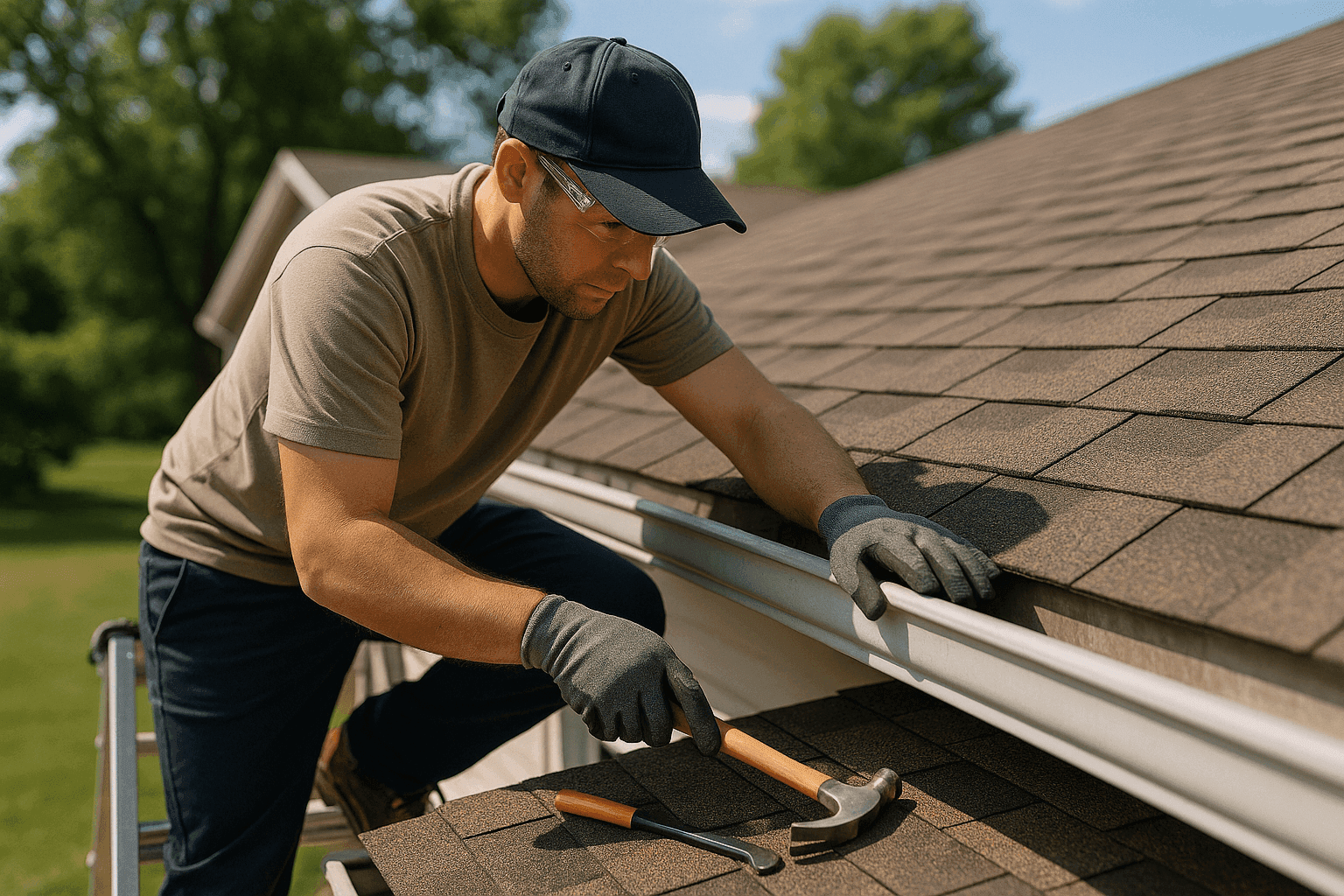
Is your roof quietly trying to tell you something? Most homeowners and business owners don’t think about their roof until it leaks, creaks, or lets in a draft. But a little attention now can save you from big headaches—and even bigger bills—down the road.
At Seal Tech Roofing, we know that a well-cared-for roof is like a sturdy umbrella: it keeps you safe, dry, and comfortable, season after season. Let’s break down how you can help your roof last longer, perform better, and avoid those dreaded emergency roofing calls.
Why Roof Maintenance Matters 🏠
Your roof is more than just shingles or tiles overhead. It’s your first line of defense against the elements. Rain, wind, sun, and even critters can slowly chip away at its strength. Without regular maintenance, small problems can turn into leaks, mold, or even structural damage.
A roof that’s ignored is like a car that never gets an oil change. It might run for a while, but sooner or later, you’ll be stranded. Regular roof maintenance saves money, prevents sudden emergencies, and keeps everyone under your roof safer.
The Hidden Costs of Neglect
- Higher repair bills: Small leaks become big repairs.
- Energy loss: Poor insulation and ventilation mean higher utility costs.
- Insurance headaches: Some policies require proof of maintenance.
- Safety risks: Rotting wood and loose shingles can cause accidents.
According to the National Roofing Contractors Association (NRCA), regular inspections and upkeep can double the lifespan of your roof. That’s not just a good deal—it’s peace of mind.
Quick Safety Checklist Before You Start
Before you grab a ladder or head to the attic, pause. Safety first. Roof work can be dangerous, even for the handy homeowner. Here’s what you should do every time:
- Check the weather: Never work on a wet or icy roof.
- Use sturdy ladders: Make sure they’re on level ground and extend three feet above the roof edge.
- Wear non-slip shoes: Grip is everything.
- Have a spotter: Someone should know you’re up there.
- Avoid power lines: Always look up and around.
- Don’t overreach: Move the ladder instead.
If you’re ever unsure, it’s best to call a professional. The Occupational Safety and Health Administration (OSHA) recommends fall protection for any work above six feet.
DIY vs. Call a Pro: Knowing Your Limits
You can do a lot to keep your roof in shape, but some jobs need a seasoned touch. Here’s a quick guide to what you can handle—and when you should let Seal Tech Roofing step in.
Tasks Most Homeowners Can Do
- Visual inspections: Look for missing shingles, cracked tiles, or rust on metal panels.
- Gutter cleaning: Remove leaves and debris to prevent water backup.
- Attic checks: Scan for damp spots, mold, or daylight peeking through.
- Trim overhanging branches: Keep trees from scraping or dropping on your roof.
When to Call a Professional
- Persistent leaks: Water stains on ceilings or walls.
- Sagging rooflines: Indicates structural issues.
- Storm or hail damage: Even if it looks minor.
- Loose or damaged flashing: Around chimneys, vents, or skylights.
- Moss or algae growth: Can signal trapped moisture.
- Complex repairs: Anything involving electrical wiring, skylights, or heavy lifting.
Remember, safety and quality come first. Emergency roofing services are there for a reason—sometimes, waiting makes things worse.
What Pros Do On Arrival
When you call Seal Tech Roofing, here’s what happens next:
- Thorough inspection: We check shingles, tiles, metal panels, and flashing.
- Attic assessment: We look for hidden leaks, mold, or insulation issues.
- Gutter and downspout review: Ensures water flows away from your home or business.
- Ventilation and insulation check: Poor airflow can shorten a roof’s life.
- Detailed report: We explain what we found and what needs fixing.
Our team follows recommendations from the International Building Code (IBC) and NRCA best practices to keep your roof safe and compliant.
Prevention & Maintenance: Seasonal Checklists
A little work each season keeps your roof strong. Here’s how to stay ahead, year-round.
Spring
- Inspect for winter damage: Snow and ice can loosen shingles or flashing.
- Clean gutters and downspouts: Prevents water from pooling on the roof.
- Check attic for leaks: Look for wet insulation or wood.
- Trim new growth: Branches can scratch or drop debris.
Summer
- Look for sun damage: Faded or brittle shingles may need replacing.
- Check for moss or algae: Remove with a gentle brush or call a pro.
- Inspect sealants and coatings: Cracks or peeling need attention.
- Test attic ventilation: Make sure heat escapes properly.
Fall
- Clear leaves and debris: Especially from valleys and gutters.
- Check flashing: Around chimneys, vents, and skylights.
- Inspect insulation: Keeps heat in and moisture out.
- Schedule a professional inspection: Before winter storms hit.
Winter
- Watch for ice dams: Use a roof rake to remove heavy snow.
- Check for leaks after storms: Act fast if you spot water stains.
- Inspect attic regularly: Look for condensation or frost.
- Avoid walking on icy roofs: Leave it to the pros.
Early Warning Signs: Catch Problems Before They Grow
Your roof often whispers before it shouts. Pay attention to these clues:
- Curling or missing shingles: Water can sneak in.
- Granules in gutters: Shingles are wearing out.
- Rust or loose screws on metal roofs: Signals corrosion.
- Cracked or slipped tiles: Water can seep underneath.
- Peeling paint on eaves: May mean trapped moisture.
- Musty smells in attic: Possible mold or leaks.
If you spot any of these, act quickly. Delaying repairs can turn a small fix into an emergency roofing call.
The Role of Ventilation & Insulation
A roof isn’t just about what’s on top. What’s underneath matters, too.
Why Ventilation Matters
Good airflow in your attic prevents heat and moisture buildup. Without it, shingles bake from below in summer and condensation forms in winter. This can lead to mold, rot, and ice dams.
The U.S. Department of Energy recommends at least one square foot of ventilation for every 150 square feet of attic space. Ridge vents, soffit vents, and attic fans all help.
Why Insulation Counts
Insulation keeps your home comfortable and energy bills low. It also protects your roof by stopping warm air from escaping in winter (which can melt snow and cause ice dams) and blocking heat in summer.
Check for gaps, damp spots, or compressed insulation. Replace or add more as needed.
Caring for Different Roofing Materials
Every roof is unique. Here’s how to keep yours in top shape, whether it’s shingle, metal, or tile.
Shingle Roofs
- Inspect after storms: Look for missing or damaged shingles.
- Clear debris: Leaves can trap moisture.
- Watch for granule loss: Bald patches signal aging.
Metal Roofs
- Check for rust: Especially at seams and fasteners.
- Tighten loose screws: Prevents leaks and wind damage.
- Clean gently: Use a soft brush, not a pressure washer.
Tile Roofs
- Look for cracks or slips: Water can get under tiles.
- Clear moss and lichen: Use a soft brush or call a pro.
- Avoid walking on tiles: They can break easily.
Flat Roofs
- Check for ponding water: Standing water means poor drainage.
- Inspect seams and edges: Look for cracks or lifting.
- Keep drains clear: Prevents leaks and structural damage.
Gutter & Downspout Maintenance
Gutters and downspouts are like your roof’s rain boots. If they’re clogged, water goes where it shouldn’t.
- Clean twice a year: More often if you have trees nearby.
- Check for sagging or leaks: Fix promptly.
- Ensure downspouts direct water away: At least five feet from your foundation.
- Install guards if needed: Keeps leaves and debris out.
Clogged gutters are a leading cause of emergency roofing calls—especially during heavy rains.
Roof Flashing, Skylights & Chimneys
These “weak spots” need extra attention.
- Inspect flashing: Look for rust, cracks, or loose edges.
- Check skylights for leaks: Seal around frames as needed.
- Examine chimney caps and flashing: Prevents water from seeping in.
The National Roofing Contractors Association recommends checking these areas at least twice a year.
Eco-Friendly Roof Maintenance
Want to go green? Here’s how:
- Choose reflective coatings: Lowers cooling costs.
- Opt for recycled materials: Many shingles and tiles are made from recycled content.
- Install a cool roof: Reflects more sunlight, absorbs less heat.
- Maintain proper insulation: Reduces energy use.
Eco-friendly doesn’t have to mean complicated. Small changes add up over time.
Costs & Time Factors
How much and how long? It depends on your roof’s size, material, and condition.
- DIY inspections: Usually an afternoon.
- Professional inspections: 1–2 hours for most homes or small businesses.
- Minor repairs: A few hours to a day.
- Major repairs or replacement: Several days to a week.
Costs can range widely. Simple maintenance (like gutter cleaning) is far less expensive than emergency roofing repairs or full replacements. A little prevention now saves a lot later.
When It’s an Emergency 🚨
Sometimes, trouble strikes fast. Here’s when to act immediately:
- Active leaks during a storm
- Sudden sagging or collapse
- Shingles or tiles blown off by wind
- Heavy debris (like tree limbs) on the roof
- Fire or smoke damage
If any of these happen, call Seal Tech Roofing’s emergency roofing team. Quick action can prevent further damage and keep everyone safe.
FAQ: Roof Maintenance & Longevity
How often should I have my roof inspected?
At least once a year, and after major storms.
What’s the most common cause of roof leaks?
Clogged gutters, damaged flashing, and missing shingles are top culprits.
Can I walk on my roof to check for damage?
It’s risky. Only do so if safe and necessary—or better yet, call a professional.
Does insurance cover roof maintenance?
Routine maintenance isn’t usually covered, but sudden storm or accident damage often is. Check your policy.
Special Considerations for Roof Maintenance
- Historic or specialty roofs: May require special materials or techniques.
- Flat roofs: Need more frequent checks for ponding water.
- Commercial roofs: Larger, often more complex—require regular professional inspections.
- New construction: Early maintenance sets the tone for decades of performance.
- Skylights and decks: Integrated features need extra attention to prevent leaks.
Always follow manufacturer guidelines and consult the NRCA or International Building Code for best practices.
A little care goes a long way. Whether you’re a homeowner or a small business owner, keeping your roof in top shape protects your investment and your peace of mind. For inspections, repairs, or emergency roofing help, Call Seal Tech Roofing now — or reach us anytime at 877-709-3007 .